

Quick Answer: What Is a Relationship Coach?
A relationship coach helps individuals and couples build healthier relationships through practical, future-focused skills: clearer communication, stronger boundaries, and new patterns to replace the old ones. Relationship coaching is not therapy. It works best when a relationship is stable enough to grow, not in crisis.
What’s covered:
- What a relationship coach actually does, and who they work with
- Relationship coach vs. couples therapist: the key differences
- 7 signs you might benefit from a relationship coach
- What sessions look like, whether coaching works, and what it costs
- How to choose the right relationship coach for you
You’ve had this argument before. Maybe it’s about money, the dishes, or who forgot to call. The words change. The ending doesn’t.
Or maybe you’re single and noticing that every new relationship starts to look a lot like the last one. Different person, same plot twist.
That’s the moment many people start looking for a relationship coach. Not because everything is falling apart, but because they’re tired of repeating the same patterns and ready to build something better.
Here’s a number worth sitting with. The Gottman Institute reports that the average couple waits about six years before seeking help with their relationship problems.[1] That’s six years of the same fights hardening into habit. The same source points to research showing prevention is about three times more effective than intervention.[1] Translation: the best time to get support is often before you feel like you need it.
This guide covers what a relationship coach does, how coaching differs from couples therapy, the signs it might be time, what it costs, and how to find a relationship coach who fits.

What Is a Relationship Coach?
A relationship coach is a professional who helps individuals and couples build healthier, more fulfilling relationships through practical, future-focused skill-building. Instead of diagnosing problems or treating mental health conditions, a relationship coach helps you communicate better, set boundaries, break repeating patterns, and take action toward the relationship you want.
Relationship coaching is a specialization within life coaching, not a separately licensed profession. You’ll see coaches use different labels: relationship life coach, love coach, marriage coach, or dating coach. The labels mostly signal focus. A dating coach, for example, concentrates on meeting people and dating strategy, while a relationship coach works more broadly on how you connect, communicate, and grow with another person.
The work isn’t limited to romance. Relationship coaches help with marriages, dating, family dynamics, friendships, and even business partnerships.
And underneath every one of those sits the relationship you have with yourself. Old beliefs about love, worthiness, and conflict tend to follow you into every partnership until you see them clearly. That’s the shift from unconscious misalignment to conscious alignment, and it’s where the best relationship coaching does its deepest work.

What Does a Relationship Coach Do?
A relationship coach helps you spot the gap between how you want your relationships to feel and how they actually work, then builds an action plan to close it. Most relationship coaching centers on a handful of core areas.
Communication.
Learning to listen without planning your rebuttal, say what you need without blame, and repair the conversation when it goes sideways.
Conflict navigation.
Turning the argument you keep having into a problem you can actually solve together.
Boundaries.
Saying no without guilt, asking for what you want, and noticing where people pleasing is quietly eroding the relationship.
Attachment patterns.
Understanding how you show up when you feel insecure. If you lean toward anxious attachment, needing constant reassurance or spiraling when a text goes unanswered, a coach helps you catch the pattern in real time and respond from a steadier place.
Emotional intimacy.
Rebuilding closeness when you’re feeling disconnected from your partner, the kind of distance where you share a home and a calendar but not much else.
Trust.
Working through trust issues carried over from past relationships, and learning how to rebuild trust in a relationship after broken promises or a rough stretch. After infidelity or serious betrayal, a licensed couples therapist is often the better first step, with coaching as a follow-on.
To do this work, coaches use guided conversations, powerful questions, active listening, goal-setting, skill practice, and homework between sessions with real accountability. Many holistic relationship coaches in the MBSN directory also bring in somatic awareness, breathwork, energy work, or Human Design to address what’s happening beneath the conversation.
Sessions happen one-on-one, as a couple, or in group programs, and most coaches work both in person and online.
Who Works With a Relationship Coach?
Singles.
People who want to date with more intention and stop repeating the same pattern with different partners. This work often happens in individual sessions, so you don’t need a partner to start.
Couples.
Couples coaching, sometimes called relationship coaching for couples, helps partners communicate better, navigate life transitions like a new baby or a career change, and prepare for the next chapter together.
Married partners.
Marriage coaching helps spouses reconnect after a period of distance or build a stronger foundation before saying “I do.”
People after a breakup or divorce.
Coaching helps you get clear on what happened, what you want next, and which patterns you’re ready to leave behind.
If self-doubt sits at the root of your relationship patterns, working with a confidence coach can be a strong complement. And if your own thinking keeps getting in the way, a mindset coach works directly on those beliefs.
A Consciousness Insight 💡 What Consciousness Research Reveals About Life Coaching
According to consciousness calibrations, the occupation of life coach calibrates at 340 on the Map of Consciousness, in a range of 180 to 430. That places it solidly in the field of Acceptance, the level associated with empowerment, possibility, and genuine capacity for change.
Hiring a life coach calibrates at 245, in a range of 170 to 390. That range reflects the wide variation in why people seek coaching and the energy they bring to it. At its best, the act of hiring a coach is itself a move toward growth. At its lowest expression, it can be driven by fear, obligation, or external pressure rather than genuine inner readiness.
The gap between 245 and 340 is worth noting. The coach holds a significantly higher energetic field than the average hiring decision. That differential is part of what makes the relationship work: you are stepping into a field that can genuinely lift your own.
Calibrations sourced from ConsciousnessCalibrations.com, based on the Map of Consciousness developed by Dr. David R. Hawkins. Posted January 22, 2026.

Relationship Coach vs. Couples Therapist: What’s the Difference?
A relationship coach helps relatively healthy relationships grow through skills and action, while a couples therapist is a licensed clinician who treats emotional wounds, mental health conditions, and high-distress situations. Both are valuable. They just do different jobs.
| Relationship Coach | Couples Therapist (LMFT, LPC, psychologist) | |
|---|---|---|
| Focus | Present and future: goals and skills | Emotional wounds, distress, and deeper patterns, often including the past |
| Approach | Action-based and strengths-based, with homework and accountability | Clinical psychotherapy, such as the Gottman Method, Emotionally Focused Therapy, or Imago |
| Credentials | Not licensed; ICF and program certifications are voluntary | State license, graduate degree, and supervised clinical hours |
| Can diagnose or treat? | No | Yes: depression, anxiety, PTSD, and more |
| Best fit | Healthy-enough relationships wanting growth or a reset | Betrayal, trauma, mental health conditions, or high distress |
The short version: if you’re mostly stuck on skills, patterns, and direction, start with a coach. If you’re carrying deep hurt, a mental health condition, or a crisis, start with a therapist. Plenty of people use both at different stages.
When coaching isn’t the right fit.
Relationship coaching is not appropriate where there is domestic violence, emotional abuse, or coercive control. An ethical coach will also refer you to a licensed professional for suicidal thoughts, untreated addiction, clinical depression, or active trauma.
If you feel unsafe in your relationship, the National Domestic Violence Hotline is available 24/7 at 1-800-799-7233, or text START to 88788.[4] To find a licensed couples therapist, the Psychology Today therapist directory is a strong place to start.

7 Signs You Might Benefit From a Relationship Coach
You might benefit from a relationship coach if the same problems keep coming back, even when everyone involved wants things to be different. These seven signs show up again and again.
- You keep having the same argument. It never really resolves. It just goes quiet until next time.
- Communication has broken down. One or both of you often feel misunderstood, dismissed, or unheard.
- You see the same pattern with different people. New partner, same ending. That’s a pattern worth examining, not bad luck.
- You’re facing a big transition. An engagement, a new baby, a move, a career change, or an empty nest can strain even strong relationships.
- You’re rebuilding trust or connection. After a hard season, you want to find your way back to each other with intention.
- You struggle with boundaries. You say yes when you mean no, then resent it later. (Our guide on how to stop people-pleasing in relationships goes deeper.)
- Nothing is wrong, but you want it to be better. Things aren’t in crisis, and you’d like to keep it that way. This is exactly where prevention pays off.[1]
Quick self-check: Is relationship coaching right for you?
Answer yes or no:
- Do we have the same argument at least once a month?
- Do I feel unheard more often than understood?
- Have my last two or three relationships ended for similar reasons?
- Are we heading into a major life change?
- Do I often say yes when I mean no?
- Is our relationship free of abuse, threats, and active crisis?
If you answered yes to two or more of the first five questions, and yes to the last one, relationship coaching is worth exploring. If you answered no to the last question, start with a licensed therapist or the resources above.

What Happens in Relationship Coaching?
Relationship coaching usually starts with a free consultation, moves into goal-setting, and then builds skills over a series of sessions with practice in between. Here’s what the process typically looks like.
Discovery call.
Most coaches offer a free consultation, often around 30 minutes, so you can test the fit before you commit.
Goal-setting.
You define what a healthier relationship actually looks like for you. Specific beats vague: “We can disagree about money without a three-day silence” is a goal you can work toward.
Skill-building sessions.
You practice the conversations that matter: listening without defending, repairing after conflict, and scripting boundaries you’ll actually hold. Some coaches use assessments to map your patterns.
Homework and accountability.
The real change happens between sessions. Your coach checks in on what you tried, what worked, and what got in the way.
Typical length.
Many engagements run 4 to 12 sessions, and a three-month package of weekly sessions is common. Some couples also choose a one- or two-day intensive.

Does Relationship Coaching Work?
Relationship coaching can work well, especially when both partners are committed, the coach is a good fit, and you practice new skills between sessions.
Research on structured, coach-supported programs is encouraging. In a 2023 randomized controlled trial with 740 lower-income U.S. couples, an online relationship program called OurRelationship, delivered with support from trained coaches, improved relationship satisfaction compared with couples on a waitlist. Those gains held through a four-month follow-up.[2]
Two honest caveats. First, that study tested a specific, research-based program, so it doesn’t prove every coach is effective. Second, couples who received automated check-in emails instead of coach calls improved about as much.[2] The takeaway: structure, consistency, and follow-through do a lot of the heavy lifting. A good coach provides all three, plus a skilled outside perspective that’s hard to get from an app.
So are relationship coaches worth it? For a relationship that’s stable enough to grow, often yes. What drives results is your willingness to show up, get honest, and try something new, even when the old way feels more comfortable.

How Much Does a Relationship Coach Cost?
Most relationship coaches in the U.S. charge roughly $100 to $250 per session, with couples sessions usually at the higher end of that range.
Packages are the norm. A three-month, 12-session engagement commonly runs $1,500 to $3,000 for individuals and $2,400 to $4,800 for couples. Starter packages can come in under $1,000, while intensive programs with experienced coaches can reach $6,000 or more.
One practical difference from therapy: because coaching isn’t a medical treatment, health insurance generally doesn’t cover it. Therapy with a licensed provider sometimes is covered, so check your plan if cost is a deciding factor.
The honest way to weigh the investment: compare it to the cost of staying stuck. Another year of the same fights, or another relationship that ends the same way, carries its own price, even when it never shows up on an invoice. Most coaches offer a free consultation, so you can explore the fit before spending anything.

How to Choose the Right Relationship Coach
Choose a relationship coach the way you’d choose a partner: look for real training, a clear approach, and how it actually feels to talk with them.
Coaching is unregulated, so anyone can use the title. That makes credentials a useful quality signal. The International Coaching Federation’s ACC, PCC, and MCC credentials are the most widely recognized standard. ICF’s 2022 consumer research found that 85% of coaching clients value credentialed coaches, and clients of credentialed coaches reported 28% higher satisfaction with their coaching experience.[3] Many coaches also complete specialized training and describe themselves as a certified relationship coach. Ask who issued the certification and what it required.
Look for:
- A clear method they can explain in plain language
- A specialty that matches your situation: singles, couples, marriage, or life after divorce
- Specific, detailed testimonials rather than vague praise
- A defined package with clear pricing
- A clear policy for referring clients to a therapist when needed
Questions to ask on a discovery call:
- Who do you typically work with?
- What does a session with you look like?
- When do you refer clients to a therapist?
- How will we measure progress?
Red flags.
Be cautious of guaranteed outcomes, pressure to sign a long contract on the first call, a coach who takes sides in couples work, or anyone who brushes off safety concerns.
For a deeper checklist, see our guide on how to evaluate any life coach’s credentials.
A Note on Energy
Per the Map of Spiritual Progress at ConsciousnessCalibrations.com, forgiveness held as an intention calibrates at 450, and compassion at 540. Both sit well above the 200 fulcrum, where energy shifts from force to power.
A calibrated truth often shared here, “we are all doing the best we can at every moment of every day,” sits at about 480, a very high level of consciousness and truth. Holding that idea for yourself and your partner can soften the very conflicts that bring people to coaching in the first place.
Skills change how you talk to each other. The energy you bring to the conversation changes what’s possible inside it.
DOWNLOAD Your Copy of The Map of Spiritual Progress here.
Map of Spiritual Progress by Brian Gibbs, licensed under CC BY-NC-ND 4.0.
Frequently Asked Questions
What is a relationship coach?
A relationship coach is a professional who helps individuals and couples build healthier relationships through practical, future-focused skills like communication, boundary-setting, and conflict navigation. Relationship coaches don’t diagnose or treat mental health conditions. They help you break repeating patterns and take action toward the relationship you want.
Is a relationship coach the same as a couples therapist?
No. A couples therapist is a licensed clinician who can diagnose and treat mental health conditions and work through trauma, betrayal, and high distress. A relationship coach is not licensed and focuses on skills, goals, and growth for relationships that are stable enough to build on. Many people work with both at different times.
Can a life coach help with relationships?
Yes, to a point. Many general life coaches touch on relationships as part of broader work. A dedicated relationship coach goes deeper into communication, attachment patterns, and conflict, and usually has specific training in relationship dynamics.
Are relationship coaches worth it?
For many people, yes, especially when both partners are committed and the relationship isn’t in crisis. Research on structured, coach-supported relationship programs shows meaningful gains in relationship satisfaction. Results depend heavily on coach fit and on practicing new skills between sessions.
How much do relationship coaches charge?
Most relationship coaches charge about $100 to $250 per session, with couples sessions on the higher end. Three-month packages commonly range from $1,500 to $3,000 for individuals and $2,400 to $4,800 for couples. Health insurance generally doesn’t cover coaching.
Do you need a license to be a relationship coach?
No. In most places, relationship coaching is unregulated and doesn’t require a license. That’s why voluntary credentials, like those from the International Coaching Federation, are a useful signal of real training.
How do you become a relationship coach?
Most relationship coaches complete a coach training program, often one accredited by the International Coaching Federation, then add specialized relationship training and build experience with real clients. If you’re building a practice, our guide on how to become a relationship coach and grow your practice covers the next steps.
Find a Relationship Coach Who Fits
Love grows with support.
Whether you’re single and ready to break an old pattern, partnered and tired of the same fight, or simply ready to make a good relationship great, the right relationship coach can help you get there faster than going it alone.
The Mind Body Spirit Network directory lists relationship coaches who work with singles, couples, and families, in person and online. Browse relationship coaches near you or online, read their approach, and book a discovery call with the one who resonates.
Find a relationship coach in the MBSN directory.
Not sure what kind of coach you need? Explore all life coaches in our directory.
Are you a relationship coach? List your practice in the MBSN directory and get found by people searching for exactly what you offer.
Related reading:
How to Find a Life Coach and Choose the Right Fit
What Is a Mindset Coach?
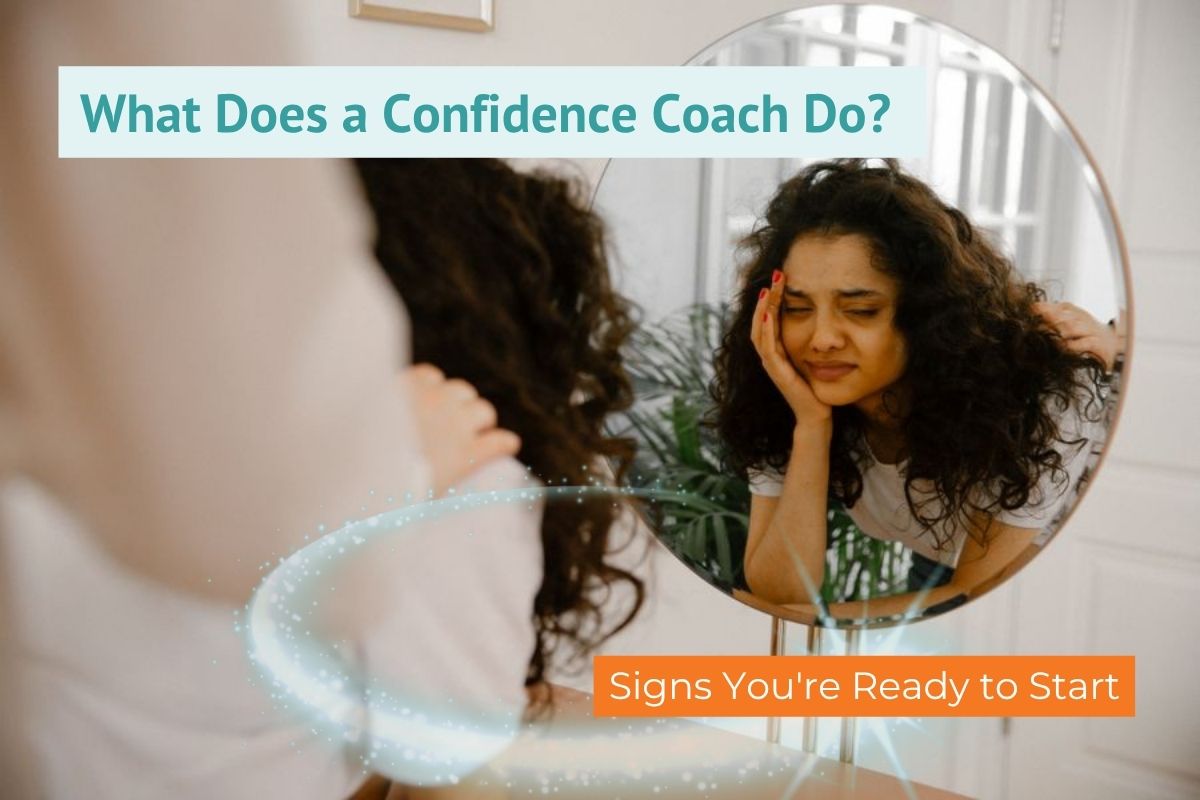
What Does a Confidence Coach Do?
One Conversation Can Shift Everything. Find a Life Coach

Are You a Life Coach Ready to Be Discovered?
Join our consciously curated network and connect with clients seeking aligned, transformational support.
Sources & Citations
This post draws on peer-reviewed research and established relationship, coaching, and support organizations. Full sources below.
1. The Gottman Institute : It’s Time to Stop the Stigma Around Couples Therapy
https://www.gottman.com/blog/its-time-to-stop-the-stigma-around-couples-therapy/
The Gottman Institute’s article on help-seeking delays, citing Dr. John Gottman’s research on how long couples wait and the value of prevention.
Supports: the six-year average wait and “prevention is about three times more effective than intervention” in the intro and Signs section.
2. Internet Interventions (via PMC, National Library of Medicine) : A Randomized Controlled Trial of the Online OurRelationship Program With Varying Levels of Coach Support
https://pmc.ncbi.nlm.nih.gov/articles/PMC10477807/
A 2023 peer-reviewed randomized controlled trial of 740 low-income U.S. couples comparing coach-supported and automated versions of an online relationship program against a waitlist.
Supports: the relationship satisfaction findings and caveats in “Does Relationship Coaching Work?”
3. International Coaching Federation : Credentials and Standards
https://coachingfederation.org/credentials-and-standards
ICF’s overview of its ACC, PCC, and MCC credentials, including findings from the 2022 ICF Global Consumer Awareness Study.
Supports: the 85% of clients value credentials and 28% higher satisfaction figures in “How to Choose the Right Relationship Coach.”
4. The National Domestic Violence Hotline
https://www.thehotline.org/
The national 24/7 support line for anyone experiencing domestic violence or concerned about their relationship’s safety.
Supports: the safety resource in “Relationship Coach vs. Couples Therapist.”
Editorial note: the “A Note on Energy” callout references consciousness calibration readings from the Map of Spiritual Progress by Brian Gibbs at ConsciousnessCalibrations.com (CC BY-NC-ND 4.0). These are an editorial, brand-voice device rather than peer-reviewed research: consciousnesscalibrations.com/map-of-spiritual-progress.


Leave A Comment