
Find Experienced Addiction Coaches

Photo by Tima Miroshnichenko at pexels.com
Addiction coaching focuses on helping people change patterns related to substance use or other addictive behaviors. An Addiction Coach provides structured support, practical tools, and ongoing accountability to help clients move toward healthier choices.
Many people try addiction coaching when they feel stuck in repeated cycles. Others use it for added support during recovery. This coaching often builds consistency, boosts motivation, and creates daily habits that support long-term change. It can complement other forms of care or be part of a broader personal development path.
Addiction coaching is not limited to one type of behavior. Coaches may support clients with substance use, compulsive habits, or lifestyle patterns that feel difficult to control. The focus is on forward movement, personal responsibility, and building skills that help clients stay on track.
In this directory, you will find professional Addiction Coaches offering a range of services. These may include private coaching, structured recovery programs, relapse prevention plans, and online coaching for steady progress and accountability.
What Does an Addiction Coach Do and How Can They Help?

Photo by http://www.kaboompics.com[/caption%5D
An Addiction Coach helps individuals change behaviors that feel difficult to control. The focus is on building practical skills that support long-term progress and stability.
Addiction coaching often centers on awareness, routine, and accountability. Clients learn how to recognize triggers, manage urges, and replace unhealthy patterns with more supportive habits. This approach is action-focused and designed to help people make steady changes over time.
Many people seek addiction coaching to support recovery, prevent relapse, or regain control of their daily life. Some work with a recovery coach or sobriety coach to stay consistent with their goals. Others want help building structure, improving decision-making, or strengthening personal responsibility.
A typical session may include goal setting, progress tracking, and discussion of real-life challenges. Coaches often guide clients through strategies for handling stress, managing triggers, and staying committed to their recovery plan. Sessions may also include planning routines that support healthier behavior throughout the day.
Addiction coaching is often practical and forward-focused. The goal is not to analyze the past in depth, but to help clients take clear steps toward change. Many coaches provide tools that clients can apply immediately in their daily lives.
When choosing an Addiction Coach, it is helpful to review their experience, training, and approach. Some specialize in specific areas such as substance recovery, relapse prevention coaching, or online addiction coaching programs. Finding a coach whose style feels structured and supportive can make a meaningful difference.
Explore the directory below to find professional Addiction Coaches offering support for recovery, accountability, and lasting change.
FAQ About Addiction Coaching
[caption id="attachment_5233" align="alignright" width="300"]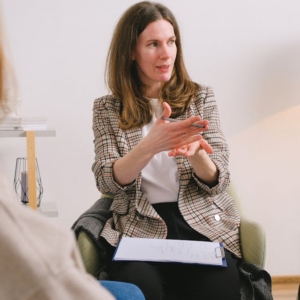 Photo by SHVETS production at pexels.com
What does an addiction coach do?
An addiction coach helps people change unhealthy habits and build more stable routines. They provide guidance, accountability, and practical tools to support recovery goals. The focus is on creating consistent progress and developing strategies that work in daily life.
How is addiction coaching different from therapy?
Addiction coaching is typically action-focused and centered on present and future goals. Therapy may explore deeper emotional or psychological patterns. Coaching often emphasizes structure, accountability, and practical steps for maintaining progress.
Who can benefit from working with an addiction coach?
People at different stages of change may benefit from addiction coaching. Some are in recovery and want ongoing support, while others are just beginning to address a pattern. Coaching can also help those who want structure, motivation, and accountability.
What happens during an addiction coaching session?
Sessions often include goal setting, progress review, and planning for real-life situations. A coach may help identify triggers, build coping strategies, and create daily routines. Clients are encouraged to apply these tools between sessions.
How do I choose a qualified addiction coach?
Look for a coach with relevant experience, training, or certification in addiction or recovery support. It can also help to understand their coaching style and areas of focus. Choosing someone who offers clear structure and consistent support is important.